Bexleyheath gardeners guide to Danson Park garden care
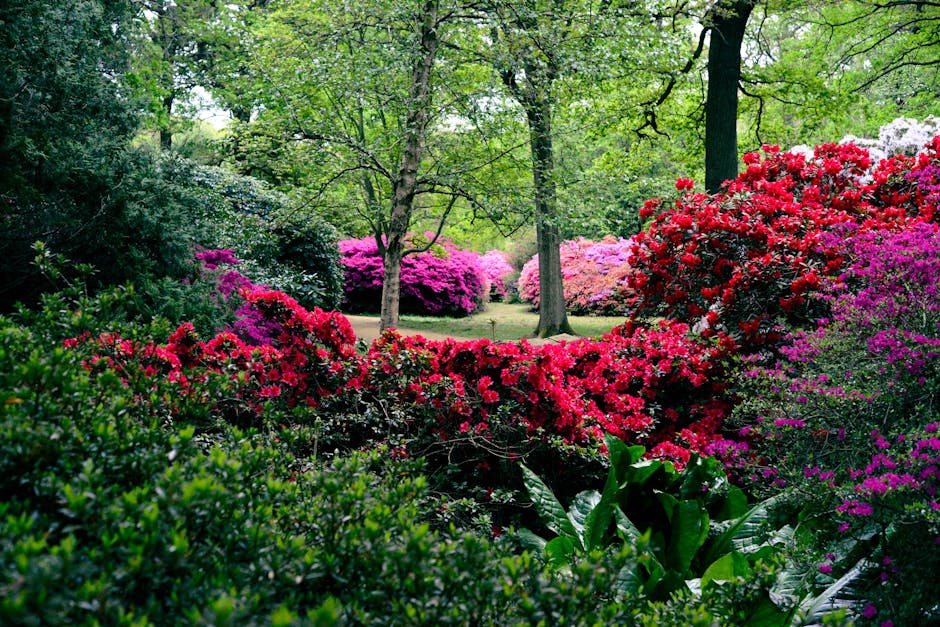
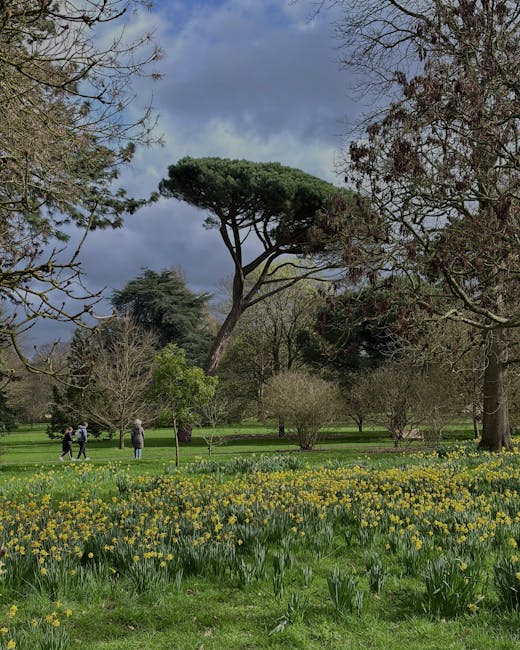
Danson Park has that easy confidence you only get from a landscape that is looked after properly: broad lawns, mature trees, busy paths, ornamental planting, and open spaces that have to work hard in every season. For local gardeners, that makes Bexleyheath gardeners guide to Danson Park garden care more than a nice phrase. It is a practical way of thinking about how to maintain shared green space so it stays attractive, safe, and resilient. If you have ever walked through after a wet spell and noticed compacted grass, messy edges, or weeds creeping through cracks, you already know the challenge.
This guide brings together what matters most: seasonal maintenance, turf care, shrub and hedge management, litter-aware upkeep, safer working habits, and the kind of small decisions that make a park look polished instead of merely "tidy enough". It is written for anyone who wants a realistic, local, and useful approach. No fluff. Just the sort of guidance that helps you plan, prioritise, and avoid the usual mistakes.
And yes, park care is a bit different from garden care at home. More foot traffic, more wear, more public expectations. That changes everything.
Why Bexleyheath gardeners guide to Danson Park garden care Matters
Park care is about more than keeping things neat. Danson Park is a public-facing landscape, so every decision affects how people use and experience the space. A patchy lawn looks tired in a private garden; in a park, it can quickly become a muddy bottleneck. A hedge that is slightly overgrown at home is an annoyance. Near paths, signage, or play areas, it can become a visibility and safety issue. The standard is different because the use is different.
That is why local knowledge matters. Bexleyheath gardeners working on park-adjacent jobs need to understand Bexley's weather patterns, compacted soils, heavy footfall, and the visual expectations of a much-loved community space. You are not just maintaining plants. You are maintaining confidence in the place. People notice when a lawn is even, a border is well edged, or a tree canopy has been properly managed. They also notice the opposite, quite quickly.
Danson Park also faces the usual South East pressures: dry spells that stress turf, wet winters that leave surfaces soft, and seasonal bursts of growth that can get away from you before you know it. A sensible maintenance plan keeps those swings under control instead of chasing them. That is the real value of a proper garden-care approach here.
Expert summary: In a public park setting, good garden care is not just about appearance. It is about usability, resilience, safety, and maintaining a landscape that feels welcoming every month of the year.
If your own project sits somewhere between domestic and public-facing work, it can help to look at broader garden maintenance support and the practical advice in gardeners essentials for a thriving yard. The basics are similar. The stakes are just a touch higher at Danson Park.
How Bexleyheath gardeners guide to Danson Park garden care Works
The easiest way to think about park care is in layers. First comes the visible surface: grass, edges, shrubs, beds, paths, and trees. Then comes the less visible layer: soil health, drainage, root competition, pest pressure, and seasonal timing. Finally, there is the management layer, which is all about routine, access, equipment, and safe working. Miss one layer and the whole thing starts to wobble.
In practice, a good maintenance cycle usually begins with a site walk. You look for uneven turf, worn entrances, self-seeded weeds, storm damage, blocked drains, broken edging, and anything that might need immediate attention. After that, the work gets prioritised. For example, a slipping path edge near a busy route matters more than a decorative bed that simply looks a bit tired. That sounds obvious, but in busy green spaces priorities drift all the time.
Then there is the seasonal rhythm. Spring is about recovery, summer is about control, autumn is about preparation, and winter is about protection. That rhythm is simple enough to say, but it helps a lot when you are actually on site and trying to decide whether to cut, feed, mulch, trim, lift, or leave something alone. Sometimes the best decision is to do less. Honest truth.
For many gardens and parks, the work also includes specialist tasks such as hedge shaping, tree safety checks, weed control, and surface cleaning around hard landscaping. If a park has adjoining fencing, seating, decking, or paved areas, those elements need care too, because nature does not respect neat category boundaries. A good team will move comfortably between hedge trimming in Bexley, lawn care, and practical patio cleaning where needed.
Key Benefits and Practical Advantages
Well-managed park garden care gives you more than a prettier view. The benefits are practical, measurable in daily use, and often noticed by visitors before managers ever run an inspection. That first impression matters. It really does.
- Safer pathways and clearer sightlines: Reduced trip hazards, better visibility around bends and entrances, and less overgrowth spilling onto walkways.
- Healthier turf: Better mowing patterns, less compaction, improved resilience in dry weather, and fewer bare patches.
- Longer-lasting planting: Shrubs and perennials cope better when they are pruned, mulched, and spaced properly.
- Lower long-term costs: Early intervention usually costs less than recovery work after neglect, storm damage, or severe weed spread.
- Better public experience: Clean edges, balanced planting, and controlled growth make a park feel cared for rather than merely managed.
There is also a quiet benefit that is easy to overlook: calmer maintenance. If you are not constantly responding to emergencies, you can plan work properly. That means fewer rushed decisions, fewer wasted visits, and less damage from overcutting or heavy-handed pruning. A landscape that is managed steadily tends to reward you steadily.
For some projects, the visual layer is as important as the horticultural one. Think framed lawns, soft borders, and structured planting that guides movement without feeling rigid. If you are shaping a more polished edge to a public or semi-public space, ideas from creative hedge shapes and trimming techniques can be surprisingly useful. So can good planting groundcover, especially where foot traffic is light but weed pressure is constant; have a look at ground covers that elevate UK garden beauty.
Who This Is For and When It Makes Sense
This guide is for anyone responsible for a landscape that has to look good and work well in the real world. That could mean grounds teams, local property managers, community groups, landlords with larger outdoor areas, or homeowners trying to keep a significant garden from sliding into chaos. The scale changes, but the principles stay familiar.
It makes sense to use a park-style maintenance approach when the space has:
- high footfall or frequent visitors
- lawns that get muddy or compacted
- hedges that affect boundaries or visibility
- mixed planting and hard landscaping
- trees that need regular risk-aware monitoring
- weather exposure from wind, shade, or open ground
It also makes sense if you have a garden that just keeps slipping behind. You know the feeling: one week it is fine, the next the grass has bolted, the beds are full of weeds, and the hedging suddenly looks like it has opinions of its own. A structured maintenance plan stops that drift.
If your project is part public, part private, or just awkwardly large, it may be worth exploring broader gardening services or specialist help such as tree surgery when mature trees begin affecting light, access, or safety. One careful assessment can save a lot of second-guessing later.
Step-by-Step Guidance
Below is a practical framework you can use for Danson Park-style garden care. It is deliberately straightforward. No fancy language. Just the order that tends to work.
1. Start with a full site review
Walk the area and note what has changed since the last visit. Look for wear, disease, compaction, storm fallout, blocked drainage, and anything creeping into paths or sightlines. In a large outdoor space, the damage is often uneven. A patch of turf can be fine in one corner and poor near an entrance, which tells you something about use patterns.
2. Set priorities before cutting anything
Do not grab a mower or hedge trimmer and hope for the best. Rank the tasks. Safety issues, access issues, and anything causing rapid decline come first. Then move to aesthetics. That sequence keeps the work sensible, and it stops you from polishing the wrong thing.
3. Deal with turf carefully
Lawns in park environments need regular attention, but not reckless attention. Mow at an appropriate height for the season, avoid cutting too low after dry spells, and treat compaction before it becomes a bigger issue. If the grass feels springy underfoot but looks thin, it may need aeration and feeding rather than yet another haircut.
4. Keep edges and borders defined
Edges make the whole place look more intentional. Clean borders, crisp mowing lines, and tidy transitions between lawn and beds do a huge amount of visual work. This is one of those small jobs that has an outsized effect. Funny how often that happens in gardening.
5. Prune with purpose
Pruning is not just trimming things until they are smaller. Each plant has a reason for being cut: to shape growth, remove dead material, improve airflow, or protect safety. Over-pruning can leave shrubs exposed, especially after a cold snap. Under-pruning can cause crowding, shade, and weak growth inside the plant. Balance matters.
6. Control weeds early
Weeds are easiest to manage when they are small and before they seed. That sounds obvious, but it is a lesson people keep relearning the hard way. A steady, low-drama approach works better than a frantic one. For practical methods, efficient weed control tips are well worth keeping in your toolkit.
7. Protect soil and roots
Many park problems start below the surface. Compacted soil slows drainage and starves roots of air. Mulching, careful traffic management, and occasional aeration all help. If you are building healthier ground from organic waste, the advice in creating nutrient soil from organic waste is a sensible companion guide.
8. Review trees, shade, and wind exposure
Trees shape the whole microclimate of a park. They create lovely shelter in one place and troublesome shade or leaf drop in another. Wind corridors matter too, especially across open ground. If a site feels exposed, it may need thoughtful planting rather than just more labour. For some spaces, windy garden solutions offer useful ideas.
9. Finish with a final walk-through
Once the work is done, walk it again. It is amazing what you notice after the noise has stopped. A missed weed. A hedge line that needs another pass. A patch of debris near a bench. The final check turns good work into reliable work.
Expert Tips for Better Results
Over time, the small judgement calls matter more than the big dramatic ones. Here are the ones I would actually trust in a place like Danson Park.
- Cut less in hot, dry weather. A slightly higher mowing height helps turf keep moisture and reduces stress.
- Use selective pruning, not blanket cutting. Remove what is necessary, keep the plant's natural structure, and resist the urge to make everything match too perfectly.
- Mulch at the right depth. Too little does nothing; too much can smother. A moderate layer around beds and trees usually works best.
- Think in sightlines. If people can see where they are going, the space feels better instantly.
- Pair planting with maintenance, not against it. Choose shrubs and ground covers that can be maintained realistically. Beautiful but awkward planting soon becomes expensive.
- Plan for the next three weeks, not just today. In a park, a neat job now can unravel fast if weather or foot traffic are about to change.
One practical example: a border that looks fine in early April can become overcrowded by late May if you leave spring growth unchecked. A short, timely visit now can save a much bigger clean-up later. That is the kind of thing experienced gardeners learn the hard way, usually after one too many "we'll come back to it next week" moments.
If you are building a more resilient or lower-input design around Danson Park-style conditions, you might also find value in low-maintenance garden ideas, earth-friendly gardening approaches, and winter plant protection methods. They are practical, not flashy, which is usually exactly right.
Common Mistakes to Avoid
Most garden-care problems come from a handful of avoidable habits. The good news? They are fixable once you spot them.
- Cutting too short: Scalping turf weakens the lawn and encourages weeds.
- Ignoring compaction: If paths and play-adjacent areas get heavy use, the soil will suffer unless you actively relieve it.
- Pruning at the wrong time: Some shrubs and trees respond badly to severe out-of-season cutting.
- Leaving weeds until they seed: That turns a small job into a recurring problem.
- Overlooking dead or damaged branches: Especially near public access areas, this is not something to leave hanging about.
- Using the same plan all year: Seasonal changes are real. The maintenance plan should move with them.
There is also a subtle mistake people make in public green spaces: trying to make everything look manicured. Not every plant should be clipped into submission. A park should still breathe. It should feel lived in, not over-controlled. There is a fine line there, and to be fair, it is easier to miss than people think.
Another one? Forgetting that gardens are used by people. Children run, dogs sniff, visitors wander, and maintenance staff need access. That is why dog-safe outdoor planning and child-friendly garden ideas can be relevant even for a large public landscape. Design for real life, not just photographs.
Tools, Resources and Recommendations
You do not need every shiny tool on the market. You need the right ones, used properly, and maintained well. That is the honest version.
| Task | Useful tools or resources | Why it helps |
|---|---|---|
| Lawn care | Mower, edging tool, aerator, seasonal feed | Keeps turf even, healthy, and easier to manage |
| Hedge and shrub work | Hand pruners, hedge trimmer, loppers, debris bags | Improves shape control and tidiness without overcutting |
| Weed control | Hand fork, hoe, mulch, spot treatment approach | Stops weeds before they spread through borders or paving |
| Soil improvement | Compost, organic matter, mulch, soil conditioner | Supports drainage, structure, and root health |
| Seasonal protection | Fleece, temporary supports, shelter planting, tied staking | Reduces weather damage during cold snaps or strong winds |
For larger or more complex spaces, professional support often pays for itself in consistency. A regular service can combine mowing, trimming, clearance, and seasonal attention in one plan rather than a patchwork of separate visits. If that is the direction you are exploring, look at lawn mowing, lawn care, and broader landscaping support.
If the park or garden includes timber features, sheltered seating, or transition areas between hard and soft surfaces, you may also want to compare surface options and maintenance implications. The article on softwood decking upsides and downsides is a useful read before making assumptions about durability and upkeep.
Law, Compliance, Standards and Best Practice
For public or semi-public garden care in the UK, the main rule is simple: work safely, work responsibly, and avoid creating foreseeable hazards. That means carrying out sensible risk assessment, using trained staff for specialist tasks, and following accepted horticultural and safety practice. If people are likely to use the area while work is in progress, barriers, signage, and clear access planning matter. No shortcuts there.
In a park environment, best practice usually includes:
- checking for trip hazards before and after work
- keeping paths clear of clippings, branches, and debris
- using appropriate PPE and safe machinery handling
- being cautious around public access, children, pets, and mobility needs
- storing tools and materials securely
- disposing of green waste in a controlled and lawful manner
It is also sensible to align working methods with site-specific policies. If you are hiring help, ask about health and safety standards, insurance and safety, and the terms under which work is carried out via terms and conditions. For payment, confidentiality, and administrative reassurance, the site's payment and security page and privacy policy are also worth reviewing.
Nothing glamorous here, granted. But compliance is part of quality. A tidy park with sloppy working practice is not actually well maintained. It just looks that way for a moment.
Options, Methods, and Comparison Table
Different maintenance methods suit different parts of Danson Park-style care. The trick is choosing the method that solves the actual problem, not the one that sounds most active.
| Method | Best for | Strengths | Trade-offs |
|---|---|---|---|
| Frequent light maintenance | High-footfall lawns, borders, entrances | Keeps the site presentable and prevents build-up | Needs regular scheduling and consistency |
| Seasonal intensive visits | Overflowing beds, recovery work, post-winter tidy-ups | Good for catching up quickly | Can feel disruptive if used alone |
| Integrated maintenance plan | Larger parks and mixed landscapes | Balances turf, planting, trees, and hard surfaces | Requires clear planning and coordination |
| Reactive call-out work | Storm damage, urgent clearance, safety issues | Fast response to problems | Usually more expensive and less efficient long term |
In most cases, the integrated plan is the sweet spot. It gives you routine structure with room for seasonal adjustment. That said, reactive work still has its place after storms or sudden damage. Life happens. Trees fall. Hedges blow over. The point is not perfection; it is being ready.
Case Study or Real-World Example
Picture a section of parkland near a busy footpath. The lawn has become thin at the edges, a hedge has started leaning into the path, and weeds are growing in the border where the soil gets repeatedly trodden. Nothing dramatic on its own. But together, it starts to look neglected.
A sensible response would not be to blitz everything in one pass. The better approach is more measured:
- clear the path edge and remove loose debris first
- lift and cut back the hedge just enough to restore safe clearance
- spot-treat or hand-remove the weeds before they spread further
- improve the compacted soil with careful cultivation and organic matter
- reset the mowing line so the turf edge looks deliberate again
- check whether the same issue will recur after rainfall or heavy use
That sort of job can transform a space without making it look overworked. The park still feels like a park. It just feels cared for. And that matters more than people admit. Visitors do not usually say, "Ah yes, excellent root-zone management." They simply feel better being there. Which, fair enough, is the real point.
In a more domestic setting, the same method can rescue a tired garden too. If a space has been ignored for a while, a reset plan like the one in fresh beginnings for a neglected garden often works better than trying to solve everything at once.
Practical Checklist
Use this checklist before and after a maintenance visit. It is simple, but it keeps the work honest.
- Have I inspected the full site before starting?
- Are there any immediate safety concerns near paths, benches, or entrances?
- Has the mowing height been chosen for the season?
- Are the hedge lines and borders consistent with the site's use?
- Have weeds been removed before seeding?
- Is the soil compacted anywhere that receives heavy foot traffic?
- Have I avoided over-pruning shrubs or stressing plants in hot weather?
- Are trees clear of obvious deadwood or weak growth that needs attention?
- Has all debris been cleared from hard surfaces and access routes?
- Do I know what needs review on the next visit?
Quick reminder: if a task affects safety, access, or public confidence, it gets dealt with first. Always.
Conclusion
Good Danson Park garden care is not about chasing perfection. It is about steady, thoughtful maintenance that respects the way people actually use the space. In Bexleyheath, where gardens and parks carry both practical and community value, that matters a lot. Regular lawn care, careful pruning, early weed control, and seasonal planning all add up to something bigger than tidiness. They create trust in the place.
If you are responsible for a landscape like this, the best next step is usually the simplest one: review the site, decide what needs attention now, and build a maintenance rhythm that can hold through the season rather than collapse after one busy week. A little structure goes a long way. A very long way, actually.
For support with routine upkeep, more involved outdoor work, or a tailored maintenance plan, explore the site's service options and get the right help in place before small issues grow teeth.
Get a free quote today and see how much you can save.
Sometimes the difference between a tired outdoor space and one that feels alive is just consistent care, done properly, and with a bit of pride.
Frequently Asked Questions
What does a Bexleyheath gardeners guide to Danson Park garden care actually cover?
It covers practical upkeep for a public-style green space: lawn care, hedge trimming, weed control, soil improvement, tree awareness, seasonal planning, and safe working habits. The focus is on keeping the park attractive and usable, not just tidy.
Why is park garden care different from regular domestic gardening?
Because the space gets more foot traffic, more weather exposure, and more public scrutiny. A small issue in a home garden may be merely inconvenient, while the same issue in a park can affect safety, access, and first impressions.
How often should lawns in a park setting be mown?
It depends on growth rate, weather, and usage. During active growing periods, lawns usually need more frequent mowing, but the key is not to cut too low or too aggressively. Height and timing matter as much as frequency.
What is the biggest mistake people make with public green spaces?
Waiting too long to deal with small problems. Weeds seed, turf compacts, hedges spread, and then the job becomes much larger than it needed to be. Early intervention is usually the cheapest intervention too.
Do trees in Danson Park-style landscapes need regular checks?
Yes, especially mature trees or trees near paths and seating areas. You are looking for deadwood, weak branches, structural concerns, and any change after storms or high winds. If something feels uncertain, specialist tree advice is the sensible route.
Can one maintenance plan work all year round?
Not really. Spring, summer, autumn, and winter each bring different tasks. You need a flexible plan that changes with the season, or the space will either be overworked or neglected.
Are weed killers always necessary?
No. Many weed issues can be managed through hand removal, mulching, cultivation, and regular attention. Chemical options, where used, should be chosen carefully and in line with site needs and safety considerations.
What should I do after storm damage in a park area?
Check for immediate hazards first: fallen branches, blocked paths, hanging limbs, damaged fencing, or unstable features. Then clear the site safely and decide whether specialist help is needed. Do not rush in if there is any risk.
How do I make a park or large garden look cared for without making it look overdone?
Focus on structure rather than excessive tidying. Clean edges, healthy turf, balanced pruning, and sensible planting control make a space feel looked after while still allowing it to feel natural and open.
What services are most relevant if I need help with this kind of work?
Usually lawn care, garden maintenance, hedge trimming, landscaping, tree surgery, and sometimes patio or decking cleaning if the space includes hard landscaping. The right mix depends on the condition and scale of the site.
How do I know whether I need professional help or can manage it myself?
If the area is large, public-facing, or includes safety-sensitive features like trees, paths, or boundary hedges, professional help is often the better choice. For smaller tidy-up work, you may be able to manage it yourself with a clear seasonal plan.
Where should I start if the site has been neglected for a while?
Start with a full assessment and a reset plan. Clear safety issues, remove weeds, define edges, and restore the basics first. The article on making over a neglected garden is a good companion if you are at that stage.
How can I get in touch about garden care support?
You can use the site's contact page to ask about the kind of maintenance support that fits your space and schedule.