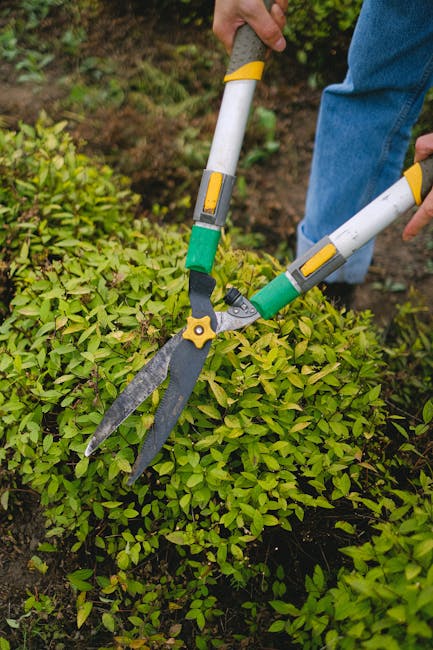
Garden maintenance rates in DA6 Bexleyheath explained

If you have been trying to make sense of garden maintenance rates in DA6 Bexleyheath, you are not alone. One quote says "quick tidy-up," another mentions a monthly visit, and a third seems oddly low until the extras appear. That sort of thing can make even a simple garden feel expensive before a mower has even been rolled out. Truth be told, pricing only makes sense when you understand what is actually included, how long the work takes, and what condition the garden is in to begin with.
This guide breaks everything down in plain English: what shapes the cost, what a decent maintenance visit usually covers, when a regular plan is worth it, and how to compare quotes without getting caught out. If you want broader context on the service itself, it can help to look at garden maintenance services alongside this pricing guide. You can also review how quotes are put together and what to expect from a professional gardening services visit.
Why garden maintenance rates in DA6 Bexleyheath explained matter
Garden maintenance is easy to underestimate. On the surface, it looks like mowing, weeding, and maybe a hedge trim now and then. But in a place like DA6 Bexleyheath, where many gardens have mixed borders, mature shrubs, small lawns, paving edges, and the usual British battle with moss and seasonal growth, the real workload can vary a lot from one property to the next.
That is why rates matter. Not because price is the only thing that matters, but because a clear rate helps you understand value. A garden that is left for six weeks in spring may need little more than a standard tidy. The same space in late summer, after a run of wet weather, may need more time, more waste removal, and a lot more elbow grease. A fair price reflects that reality.
There is also a trust element here. When a provider explains what is included, what is extra, and what happens if the job takes longer than expected, you are in a much better position to compare options properly. That matters for one-off jobs and especially for repeat visits. In our experience, the best maintenance relationships are the ones where nobody has to guess. No guessing, no awkward surprises.
If your garden has more specific needs, such as a hedge-heavy layout, it can be useful to compare general maintenance with specialist help like hedge trimming in Bexley or even lawn care if the turf is thin, patchy, or regularly overgrown.
How garden maintenance rates in DA6 Bexleyheath explained works
Most garden maintenance pricing is built from a simple idea: labour time plus job complexity. A gardener may price by the hour, by the visit, by the size of the garden, or by a tailored package. Some providers blend these methods depending on the work involved. That is normal.
Here is the rough logic behind it:
- Size of the garden: A compact front and rear garden usually takes less time than a large family plot with borders, paths, and several lawn sections.
- Condition on arrival: A regularly maintained garden is quicker to handle than one that has gone wild for a few months.
- Type of work: Lawn mowing is usually simpler than hedge reduction, pruning, or clearing dense growth.
- Waste handling: Bagging, loading, and removing green waste can add time and disposal cost.
- Access: Narrow side passages, limited parking, or difficult rear access can slow the job down.
- Seasonal pressure: Spring and early summer often bring faster growth, which means more maintenance effort.
For many homeowners, the key question is not "What is the cheapest rate?" but "What price gets the garden back under control and keeps it there?" That is a much smarter way to look at it. If you only need mowing and edging, a smaller visit may be enough. If you want the whole space tidied, pruned, weeded, and refreshed, you should expect a higher price because the labour is broader.
A useful way to think about it is to separate routine maintenance from restorative maintenance. Routine work keeps the garden looking presentable. Restorative work is what you need after neglect, overgrowth, or a rough season. That difference alone can change the rate quite a bit.
Key benefits and practical advantages
Understanding garden maintenance rates is not just about budgeting. It helps you make better decisions all the way through the job.
- Cleaner comparison between quotes: You can see whether one price is actually cheaper or simply less complete.
- Better budgeting over time: A regular plan often makes seasonal upkeep easier to manage than occasional emergencies.
- Healthier plants and turf: Consistent maintenance supports stronger growth, fewer weeds, and better airflow around plants.
- Less stress: There is something quietly satisfying about a garden that does not keep getting ahead of you.
- Fewer emergency jobs: Regular care can reduce the need for heavy clearance later on.
- Improved kerb appeal: Whether you are staying put or preparing to sell, a tidy outdoor space makes a difference.
There is a practical side too. A well-kept garden is easier to enjoy. You notice the small things more: fresh lawn stripes on a bright morning, tidy edges after rain, and a border that actually looks intentional rather than accidental. A bit fanciful perhaps, but it is true.
And if your garden includes special features, maintenance can protect those investments. For example, if you have seating areas or hard landscaping, combining upkeep with patio cleaning can stop dirt and algae from spoiling the whole space. If the garden includes timber features, the notes in this decking guide are worth a look too.
Who this is for and when it makes sense
Garden maintenance pricing matters to a lot of different people, but the reasons vary.
Homeowners who want the garden under control
If your weekends are disappearing into weeding, cutting back, and wrestling the lawn into shape, regular maintenance may be the better value. You are paying to reclaim time, not just to buy a tidy border.
Landlords and property managers
For rental properties, a neat garden can prevent complaints and reduce the risk of the outside space becoming a neglected problem. It is one of those details tenants notice quickly, even if they do not always say it out loud.
Busy families
When you have children, pets, work, and a hundred other things going on, garden jobs slip. That is just life. A regular maintenance plan can keep the garden safe and usable without constant catch-up.
Older homeowners or people with limited mobility
Keeping on top of edges, weeds, lifting waste, and repeated bending can become genuinely tiring. In those cases, maintenance is less about luxury and more about practical support.
People with neglected or inherited gardens
If you have just moved in, or inherited a garden that has been left for a while, you will usually need a one-off clearance first. After that, regular visits are easier and more cost-effective. If this sounds familiar, the article on reviving a neglected garden may help you think through the first phase.
As a rule of thumb, a regular maintenance arrangement makes the most sense when the garden starts looking worse between visits faster than you can realistically keep up. Which, to be fair, happens to plenty of good gardens.
Step-by-step guidance
If you want to compare rates properly, follow a process. It keeps things grounded and stops you from focusing only on the number at the bottom of the quote.
- List the actual tasks you need. Mowing, weeding, hedge cutting, leaf clearance, pruning, border tidy-ups, and waste removal all affect the price differently.
- Check the current condition. A recently maintained garden is not the same as one that needs a reset. Be honest here; it saves time later.
- Measure the main spaces roughly. You do not need surveyor-level precision, just enough for a sensible estimate.
- Decide on frequency. Weekly, fortnightly, monthly, or seasonal visits each change the overall value.
- Ask what is included. Does the quote cover waste removal, planting care, edging, or just the basics?
- Compare like with like. A cheaper quote that excludes disposal and hedge work may not be cheaper at all.
- Ask about access and timing. Morning visits, narrow entry points, or shared access can affect how the job is planned.
- Review the quote after a first visit. A good provider will adjust the plan if the garden turns out to be more work than expected.
That step-by-step approach sounds simple, and it is, but it avoids the most common pricing mistake: comparing a tidy monthly visit with an all-in clearance job and calling one overpriced. They are different animals.
If you want to explore how a maintenance visit fits into a bigger outdoor project, you may also find the pages on lawn mowing and landscaping useful for understanding where the line is drawn between maintenance and improvement work.
Expert tips for better results
Here are the small things that tend to make the biggest difference when it comes to rates, value, and end results.
- Book before the garden gets out of hand. A garden in reasonable shape is cheaper to maintain than one needing recovery work.
- Bundle tasks sensibly. If the gardener is already there, combining mowing, hedge trimming, and a tidy-up can be more efficient than separate visits.
- Be clear about priorities. If the budget is tight, say whether you want the lawn, borders, or hedges to come first.
- Think seasonally. Spring growth, autumn leaf drop, and winter protection all shift the workload. One size does not fit all.
- Use maintenance to prevent future damage. For example, keeping ivy under control early is usually easier than removing it later. The guide on getting rid of ivy explains why people often leave that job too long.
- Ask about waste from the start. Waste handling can be a hidden cost if nobody mentions it upfront.
My practical advice? Never ask only, "How much?" Ask, "What does that actually include, and how long will it take in my garden?" That is where the real answer lives.
There is one more thing. Good maintenance is often about prevention, not drama. Keeping weeds down, feeding soil sensibly, and trimming plants at the right time often costs less than trying to rescue everything later. It is not glamorous, but it works.
Common mistakes to avoid
People usually get tripped up in predictable ways.
- Choosing the cheapest quote without checking the scope. Cheap can be fine. Cheap and incomplete is another matter.
- Assuming all gardens are priced the same. They are not. A small lawn and a tangled corner plot are not equivalent.
- Ignoring waste removal. A quote may look fine until bags of cuttings and branches appear.
- Leaving everything until peak growth. The job gets harder, slower, and often more expensive.
- Forgetting about special features. Hedges, steep banks, fragile plants, and hard surfaces change how the work is done.
- Not saying what matters most. If you care most about the front garden, say so. Otherwise the work may be balanced differently.
And here is a small one that catches people out: they assume "maintenance" means the same thing everywhere. It does not. One provider may include weeding and edging; another may treat those as extras. That tiny difference can make a quote look better than it really is.
Tools, resources and recommendations
You do not need a shed full of fancy kit to understand or manage garden maintenance costs, but a few simple things help.
- A rough garden list: Note what needs doing now and what can wait.
- Photos from several angles: Handy if you are requesting an estimate and want it to be realistic.
- A basic calendar: Helps you spot whether the work is occasional, seasonal, or recurring.
- Previous invoice or visit notes: If you have had work done before, old notes make comparison easier.
- A waste plan: Decide whether garden waste can be composted, bagged, or needs collecting.
If you are trying to keep costs down over the long run, some supporting habits really pay off. Composting suitable green waste, choosing low-maintenance planting, and keeping on top of weeds all reduce the amount of reactive work later. The article on turning garden waste into nutrient soil is a helpful reminder that not everything cut from the garden is rubbish.
You may also enjoy browsing a few practical ideas if you are rethinking the garden layout entirely: low-maintenance garden ideas, container gardening, and vertical garden ideas can all reduce future upkeep in different ways.
Law, compliance, standards and best practice
For most domestic garden maintenance in DA6 Bexleyheath, this is less about regulation and more about sensible, professional practice. Still, there are some important points worth keeping in mind.
Waste handling should be discussed clearly. Green waste needs to be disposed of properly or handled in a way that is agreed in advance. Do not assume it is included unless it is stated. Insurance matters too. A professional provider should be able to explain how they approach public liability and site safety. If a worker is using machinery, ladders, or sharp tools, that is not a place for guesswork.
Health and safety is especially relevant for hedge work, tree work, and awkward access. If the maintenance job starts looking like something more hazardous, it may need a different approach altogether. That is where specialist services such as tree surgery become relevant, rather than routine upkeep. Likewise, if fencing or boundary repairs are part of the issue, maintenance alone will not solve it; a separate scope may be needed through fencing.
Best practice also means being honest about limitations. A sensible gardener will tell you when a job is outside routine maintenance, when access makes work slower, or when seasonal conditions mean a visit needs adjusting. That honesty is part of the service. It should not be a bonus.
For reassurance on how a professional business handles site care and customer safety, it is worth reading the pages on health and safety policy and insurance and safety.
Options, methods, or comparison table
One of the best ways to understand rates is to compare the common pricing styles. Each works well in the right situation.
| Pricing method | Best for | How it feels in practice | Watch-outs |
|---|---|---|---|
| Hourly rate | Unclear or mixed jobs | Flexible, especially for one-off tidy-ups | Harder to predict total cost if the garden is messy |
| Per visit | Regular upkeep | Easy to budget if the work is stable from month to month | Scope must be defined clearly |
| Fixed quote | Clear, defined jobs | Good for comparison and peace of mind | May exclude extras if the brief is too loose |
| Package plan | Ongoing maintenance | Often the best value over a season | Only worthwhile if you use the visits consistently |
In simple terms, hourly pricing gives flexibility, fixed pricing gives certainty, and packages give convenience. None is automatically best. It depends on what your garden needs right now.
If the garden is a bit of a mixed bag, a combination can make sense. For example, a first visit might be priced as a restorative tidy-up, followed by routine visits on a lighter rate. That approach is often fair to both sides. It also keeps the quote honest, which is refreshing, really.
Case study or real-world example
Let us imagine a fairly typical DA6 garden: a medium rear space, a small lawn, a few borders, one hedge line, and a patio that has gone a little dull after a damp spell. Nothing wild, but definitely not photo-ready either.
On the first visit, the gardener spends more time than expected on weeds along the edge, light hedge shaping, and tidying leaf litter that has built up near the fence. The lawn needs a careful cut rather than a quick pass because it has grown unevenly. The patio is not part of the basic garden care, but it is obvious that a clean-up would improve the whole look.
In that situation, the maintenance rate is influenced by three things: the time spent on the lawn, the additional hedge work, and the clearing of waste. If the owner then asks for regular fortnightly visits, the future cost often becomes easier to predict because the garden no longer keeps slipping into "catch-up mode."
What did the owner gain? Less stress, a clear routine, and a garden that stopped feeling like a never-ending weekend chore. Not glamorous, no. But it works.
Practical checklist
Use this before requesting a quote or booking maintenance.
- List the tasks you need this time.
- Decide whether you want a one-off visit or regular upkeep.
- Note any awkward access, steep areas, or parking limits.
- Take a few photos of the space in its current condition.
- Decide whether waste removal should be included.
- Flag any fragile plants, pets, or children's play areas.
- Ask what is included and what costs extra.
- Compare quotes on the same basis, not just the final number.
- Check whether the garden needs specialist work rather than routine maintenance.
- Review whether a seasonal plan would save time and money over the year.
If your garden is used heavily by a family, it may also help to think about how the layout affects upkeep. These pages on family-friendly gardens and dog-safe outdoor spaces can spark useful ideas while you plan the maintenance routine.
Get a free quote today and see how much you can save.
Conclusion
Garden maintenance rates in DA6 Bexleyheath make the most sense when you look beyond the headline price and into the details: garden size, current condition, access, frequency, and what is actually included. Once you know those pieces, quoting becomes much clearer and much less frustrating.
The real win is not finding the absolute cheapest option. It is finding a fair, transparent arrangement that keeps the garden healthy, tidy, and manageable without surprise extras creeping in later. For many households, that ends up being regular maintenance rather than occasional rescue work. A little planning goes a long way, honestly.
If your outside space has become one of those jobs you keep putting off, there is no shame in that. Gardens get ahead of people. It happens. The good news is that a clear plan can bring it back into shape, one sensible visit at a time.
Frequently Asked Questions
How are garden maintenance rates in DA6 Bexleyheath usually calculated?
They are usually based on time, garden size, condition, access, and the tasks required. Regular mowing is typically simpler than clearing overgrowth, hedge work, or full border tidying.
Is a one-off garden tidy-up more expensive than regular maintenance?
Often, yes. One-off tidy-ups usually involve more labour because the garden may have built up weeds, long grass, and extra debris. Regular visits are often easier to price and keep lower over time.
What should a standard maintenance visit include?
That depends on the provider, but it commonly includes mowing, edging, weeding, light pruning, and tidying. Always check whether waste removal and hedge work are included or charged separately.
Why do some quotes look much cheaper than others?
Usually because the scope is different. A lower quote may exclude waste disposal, hedge trimming, or detailed clearing. Cheap is not always cheaper if extras are added later.
How often should a garden in DA6 be maintained?
It depends on the planting and how fast things grow, but many gardens benefit from fortnightly or monthly upkeep during the growing season. Some need more frequent visits in spring and summer.
Can I save money by grouping several jobs together?
Yes, often you can. Combining mowing, hedge trimming, and general tidy-up work in one visit may be more efficient than separate bookings, provided the scope is agreed clearly.
Does garden maintenance include waste removal?
Sometimes, but not always. This is one of the most important things to confirm before booking because green waste can materially affect the total cost.
What if my garden has been neglected for months?
Then you will likely need a clearance-style first visit before routine maintenance starts. That first job is usually more intensive and priced accordingly.
Are hedge trimming and lawn mowing priced separately?
They can be. Some providers fold them into a maintenance plan, while others treat them as separate services, especially if the hedges are tall or the lawn needs extra care.
How do I compare quotes fairly?
Compare the same tasks, the same frequency, and the same waste arrangements. If one quote includes more work, it is not a like-for-like comparison.
Do seasonal changes affect the price?
They can. Spring growth, autumn leaf drop, and winter protection all change the workload. The rate may stay similar, but the time needed often changes.
When should I choose a specialist instead of routine maintenance?
If the job involves large trees, hazardous work, damaged boundaries, or major reshaping, routine maintenance may not be enough. In those cases, services such as tree surgery or fencing may be more appropriate.