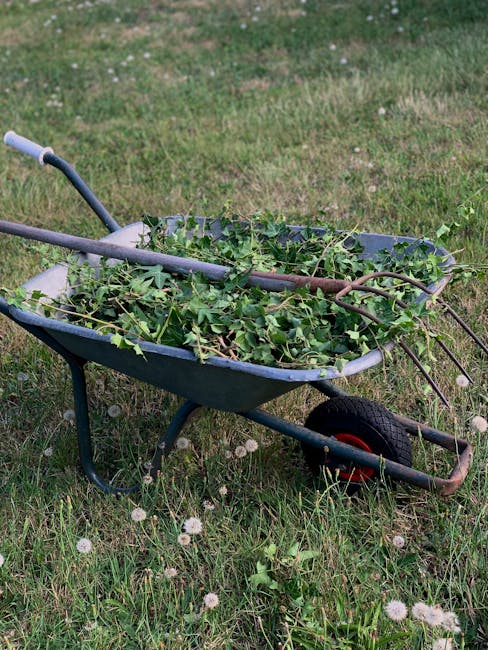
Emergency garden clearance in Crayford same day gardeners
If your outdoor space has suddenly tipped from "needs a tidy" into "this can't wait until next week," you are in the right place. Emergency garden clearance in Crayford same day gardeners is about restoring access, safety, and control quickly when a garden is blocked by storm debris, overgrown growth, dumped waste, fallen branches, or a general mess that has become a real problem. It is practical help, delivered fast, and, to be fair, often at the exact moment you feel slightly overwhelmed by the whole thing.
Same-day garden clearance is not just about making things look better. It can help reduce trip hazards, improve access for deliveries or trades, protect plants from further damage, and stop a messy situation from becoming a bigger one. In this guide, you will find how emergency clearance works, who needs it, what to expect, and how to choose the right approach without wasting time or money.
- Why it matters
- How it works
- Key benefits and practical advantages
- Who this is for and when it makes sense
- Step-by-step guidance
- Expert tips for better results
- Common mistakes to avoid
- Tools, resources and recommendations
- Law, compliance, standards, or best practice
- Options, methods, or comparison table
- Case study or real-world example
- Practical checklist
- Conclusion
- Frequently asked questions
Why Emergency garden clearance in Crayford same day gardeners Matters
When a garden becomes unsafe or unmanageable, speed matters. A pile of wet branches across a path, a tree limb leaning onto fencing, or a thick tangle of weeds hiding broken glass is not something you want left for "another day". It affects how you move through the property, how secure the garden feels, and sometimes whether you can even use the space at all.
In Crayford, like much of Greater London, gardens can go from neat to chaotic quickly after wind, heavy rain, or a spell of neglected growth. A same-day response is valuable because the first 24 hours often shape the scale of the job. The sooner debris is removed, the less chance there is of staining patios, damaging timber, attracting pests, or letting damp, rot, and moss settle in.
There is also a human side to it. If you are dealing with a rental handover, a neighbour complaint, a family event, or a blocked rear access gate, the pressure can be surprisingly high. You do not want a garden problem becoming a property problem. That's the heart of emergency clearance: calm the situation, clear the hazard, then restore order.
Expert summary: Emergency garden clearance is most effective when the work starts with safety, not tidiness. Remove the risk first, then deal with the rest.
For anyone planning a larger outdoor reset after the urgent mess is gone, it can help to think about the next stage too. A fresh clearance often pairs well with ongoing support from garden maintenance services, especially if the overgrowth problem has been building for months rather than days.
How Emergency garden clearance in Crayford same day gardeners Works
Same-day garden clearance usually begins with a quick assessment. In plain English, that means identifying what needs to be removed, what must be protected, and whether the site has any immediate hazards. A good team will usually look for blocked access, unstable branches, sharp debris, slippery surfaces, hidden waste, and any plants or structures that might be damaged if work is rushed.
The practical process normally follows a sensible order:
- Initial call or enquiry: you describe the issue, ideally with a few photos if possible.
- Risk check: the team determines whether it is a clearance job, a light tidy, or a more involved task with potential tree, fencing, or surfacing issues.
- Arrival and site setup: the area is made safe and access points are planned.
- Clearance work: waste, branches, weeds, broken material, and loose debris are removed methodically.
- Sorting and separation: green waste, reusable materials, and general rubbish are separated where appropriate.
- Final sweep and finish: paths, borders, and access routes are left as clear as possible.
In many emergency jobs, the work is partly about containment. You are not always aiming for a full landscape makeover there and then. You are aiming to stop the garden from being a nuisance or a hazard, which is a different thing entirely. Sometimes that means clearing just enough to regain access and then scheduling a fuller tidy-up later. Nothing wrong with that. In fact, it is often the smartest route.
If the issue involves damage to trees, split trunks, or heavy limbs, the job may need a more specialised response. That is where something like tree surgery support becomes relevant, because not every overgrown or fallen branch should be treated like ordinary garden waste.
Key Benefits and Practical Advantages
The obvious benefit is speed. Same-day clearance gets your garden back under control before the mess spreads further. But there are several other advantages that people sometimes miss in the rush to book quickly.
- Safer movement around the property: fewer trip hazards, less obstructed access, fewer hidden surprises under leaves or tangled growth.
- Reduced damage: fast removal of broken material can stop scratches, rot, or pressure damage to fencing, patios, and decking.
- Better visual impact: even a rough garden starts to feel manageable again once the clutter goes.
- Lower stress: you are no longer looking at the same problem every time you step outside. That matters more than people admit.
- Faster next-step planning: once the emergency layer is removed, it becomes much easier to decide on pruning, maintenance, planting, or redesign.
There is also an efficiency gain. A garden that has been cleared properly is easier to inspect. You can see what was hidden: cracked paving, poor drainage, diseased stems, unsafe edging, or damaged fencing. That visibility is useful because it helps you decide whether you need a simple clean-up, a more detailed repair, or a broader improvement project.
For some homeowners, the immediate goal is not perfection. It is breathing room. If a side return, rear path, or bin area has become impossible to use, same-day clearance can make everyday life a lot easier by the evening. Small win? Yes. But a meaningful one.
Who This Is For and When It Makes Sense
This service is for people who need the garden cleared now, not in a leisurely three-week window. That can include homeowners, landlords, tenants, letting agents, housing managers, and businesses with outdoor areas that need fast attention.
Typical situations include:
- storm damage after high winds or heavy rain
- an overgrown garden blocking access before a move-out inspection
- fly-tipped garden waste or dumped materials
- branches, ivy, or hedge growth causing access issues
- unsafe conditions after a period of neglect
- urgent preparation for a sale, viewing, or contractor visit
- dog-safe or child-safe clearance needs when the garden has become cluttered or risky
It also makes sense if you are short on time and do not have the equipment, vehicle space, or physical capacity to deal with the job yourself. Truth be told, garden clearance sounds straightforward until you are knee-deep in thorny cuttings, old compost bags, and a wheelbarrow that has developed opinions about the slope. Then it becomes a bit of a mission.
If the issue is mostly visual and not urgent, you may prefer a planned tidy-up or a more regular arrangement through general gardening services. But if you need the site made safe, reachable, or manageable today, emergency clearance is the better fit.
Step-by-Step Guidance
If you are trying to work out what happens from first contact to finished clearance, here is the clearest way to think about it.
- Describe the problem plainly. Say what is blocking the space, what happened, and whether anything is unstable or dangerous.
- Share photos if you can. A few images often save time and help the team prepare the right tools and vehicle space.
- Flag sensitive items. Mention any plants to keep, pets in the garden, access restrictions, or shared boundaries with neighbours.
- Ask what is included. Make sure you understand whether waste removal, loading, sweeping, and disposal are covered.
- Prepare access. Unlock gates, move cars if needed, and clear a path to the work area if possible.
- Agree the priority. Decide whether the focus is safety, access, visual cleanup, or complete removal of waste.
- Inspect the result. Check paths, side access, and the main problem area before the team leaves.
A useful rule of thumb: emergencies should be handled in layers. First make it safe. Then make it functional. Then make it look good. If you try to do everything at once, you can waste time on details while the actual hazard stays in place. Happens more than you'd think.
If the clearance reveals a garden that is simply overwhelmed rather than damaged, you might later want to look at ways of making the space easier to maintain. That could include lawn care support, hedge management, or even a broader reset through landscaping.
Expert Tips for Better Results
Emergency clearance goes more smoothly when the job is approached with a bit of judgement, not just muscle. Here are the practical details that make a real difference.
- Separate urgent hazards from general mess. A broken branch across a path matters more than a pile of leaves in a border.
- Keep anything reusable aside. Useful timber, healthy cuttings, or garden items worth salvaging should not be thrown away by default.
- Protect the parts of the garden you still value. A few minutes spent safeguarding shrubs, edging, or decking can prevent accidental damage.
- Be realistic about overgrown areas. Dense ivy, rooty weeds, or long-neglected corners often take longer than they look at first glance.
- Think about aftercare. Once the urgent waste is gone, mulch, pruning, or soil improvement may be needed to stop regrowth and keep the area stable.
One thing professionals do well is read the garden before they attack it. For example, ivy may seem like a simple cut-back job, but it can cling to walls, fences, and timber in ways that need patience. If that is part of your problem, a focused approach like the guide on getting rid of ivy properly can help you understand why a quick hack-and-go sometimes causes more work later.
Another quiet tip: if the garden is waterlogged, do not rush heavy equipment over soft ground unless absolutely necessary. You can turn a tidy clearance into a rutted mess very quickly. A bit of waiting can save a lot of repair work.
Common Mistakes to Avoid
When people try to manage an urgent garden clearance alone, a few mistakes show up again and again.
- Starting with the wrong area: tackling the prettiest section first while the dangerous bit stays put.
- Underestimating waste volume: a small-looking job can fill bins and bags faster than expected.
- Ignoring hidden hazards: nails, broken pots, glass, rotten boards, and sharp stems often hide under leaves.
- Cutting without a plan: especially with hedges, ivy, or climbing growth, where random trimming can make the situation messier.
- Trying to do too much in one visit: if the garden is severely neglected, a full transformation may not be realistic on day one.
- Forgetting disposal logistics: waste has to go somewhere, and that somewhere should be planned before the bags start piling up.
There is also a common emotional mistake: hoping the garden will somehow "settle itself" if left long enough. It usually doesn't. Nature is patient, but not in a helpful way when brambles and windblown debris are involved.
For overgrown edges, large hedges, or boundary issues, it can be smarter to combine clearance with a proper trimming plan. That is where a dedicated service like hedge trimming in Bexley can be a sensible follow-up once the immediate mess is gone.
Tools, Resources and Recommendations
The right tools depend on the type of emergency, but a solid clearance setup usually includes heavy-duty waste bags, rakes, secateurs, loppers, pruning saws, gloves, hand forks, brooms, sheeting, and a suitable transport method for green waste. For larger jobs, wheelbarrows, tarpaulins, and collection vehicles become essential.
It is not just about what tools are used, though. It is also about how they are used. Clean cutting tools reduce damage to plants. Proper gloves help with thorns, splinters, and hidden debris. A rake used properly can uncover hazards before they cause problems. Simple, but effective.
Helpful preparation on your side can include:
- taking a few clear photos before work starts
- moving fragile garden ornaments or furniture indoors
- keeping pets and children away from the work zone
- pointing out any drains, hidden cables, or delicate planting
- making sure gates and side access are easy to open
If you want to reduce the chance of emergency clearances in future, a few maintenance habits help enormously. Clearing leaves before they mat down, managing weeds early, and trimming growth before it blocks access can save time and money. For background reading on that side of garden care, the site's piece on practical weed control is a useful companion.
There are also longer-term improvements worth considering after the urgent issue is under control. For example, shaded areas may benefit from planting choices that are easier to maintain, and exposed spaces may need better structure or wind protection. The point is simple: a cleared garden gives you options again.
Law, Compliance, Standards, or Best Practice
For most domestic garden clearances, the key concern is not legal complexity but safe, responsible working. That said, there are a few best-practice points worth keeping in mind in the UK.
Waste should be handled responsibly and taken to appropriate disposal or recycling routes. Garden waste, timber, soil, and mixed rubbish are not always treated the same way, so separating materials can matter. If a job involves sharps, contaminated waste, or items that look suspiciously like building debris, extra caution is sensible.
Safety also matters around access, ladders, unstable branches, and slippery surfaces. Good practice usually means assessing risks first, using suitable personal protective equipment, and avoiding shortcuts that could injure someone or damage the property. If you are hiring help, it is reasonable to ask how they approach safety, waste handling, and insurance. A reputable business should not be vague about those basics.
Where trees or large limbs are involved, more care is needed. Some work crosses into specialist territory, especially if a branch is hanging over a roof, a fence, or a shared boundary. In cases like that, it is better to pause and assess properly rather than just start cutting. Fast is good. Reckless is not.
If you want a clearer view of the company's safety and working standards before booking, it is worth reviewing the information on insurance and safety and the health and safety policy. Those pages are useful because they help set expectations before anyone turns up with tools in hand.
Options, Methods, or Comparison Table
Not every urgent garden problem needs the same kind of response. Here is a simple comparison to help you judge the best route.
| Approach | Best for | Speed | Main limitation |
|---|---|---|---|
| DIY clear-up | Small amounts of waste, light tidying, simple bagging | Fast if the job is tiny | Can be risky, slow, and physically demanding for bigger messes |
| Same-day emergency clearance | Blocked access, storm debris, urgent safety issues, heavy overgrowth | Very fast | May focus on priority areas rather than full cosmetic perfection |
| Scheduled garden clearance | Neglected gardens that are messy but not urgent | Moderate | Not ideal when access or safety is already compromised |
| Ongoing maintenance plan | Gardens that need regular control after a clear-out | Steady, preventative | Won't solve an urgent hazard on its own |
If you are deciding between a one-off emergency visit and something more regular, ask yourself a blunt question: is the garden merely untidy, or is it actively causing problems? If it is the latter, same-day action is usually the better choice.
For outdoor spaces that also need structural or aesthetic improvement after the clearance, a wider service such as fencing, decking services, or patio cleaning may form part of the next phase. Different job, same goal: get the space working again.
Case Study or Real-World Example
Here is a realistic example. A homeowner in Crayford notices after a windy night that branches, hedge clippings, and a pile of old garden waste have spread across the side access and rear path. The bin area is partly blocked, and there is concern that a loose branch may scrape a fence panel if it shifts again. The garden is not a total disaster, but it is awkward, unsafe, and unpleasant to use.
A same-day clearance team arrives, identifies the branch that poses the immediate risk, removes loose debris from the access route, sorts the waste, and clears the path enough for safe movement. They do not attempt a full redesign or replanting on the spot. Instead, they stabilise the space, sweep down the route, and leave the homeowner with a usable garden and a clearer idea of what needs doing next.
That's the real value. The job is not just to "make it neat". It is to reduce friction in daily life. When the back gate opens without a fight and you can walk through without stepping over debris, the whole property feels easier again. Small thing, big relief.
Practical Checklist
Use this quick checklist before booking or starting an emergency clear-up:
- Identify the immediate hazard or blockage
- Take a few photos from different angles
- Check whether pets, children, or neighbours need to be kept clear of the area
- Decide what must be kept and what can go
- Point out fragile plants, drains, cables, or structures
- Confirm access routes, gates, and parking space
- Ask whether waste removal is included
- Make sure the priority is clear: safety, access, or full tidy-up
- Plan for follow-up maintenance if the garden was heavily overgrown
- Inspect the finished area before closing the job
If you are not sure where to start, begin with the path you use most. That one route usually tells you quickly whether the garden is merely messy or genuinely in need of emergency attention.
Conclusion
Emergency garden clearance in Crayford same day gardeners is about more than a quick tidy. It is a fast, practical response to a garden that has become unsafe, blocked, or simply too much to handle right now. When the work is done properly, you regain access, reduce risk, and get back a sense of order that can be hard to appreciate until it disappears.
The best results usually come from clear priorities: make it safe, clear the obstruction, remove waste properly, and then decide what longer-term improvement the garden needs. That approach keeps things sensible and saves effort later on. And honestly, that is what most people want when the pressure is on.
If you need help now and want a straightforward way to move from chaos to control, the next step is simple.
Get a free quote today and see how much you can save.
There is something reassuring about looking out the back door and seeing a space that feels usable again. It may not be perfect yet, but it is back in your hands.
Frequently Asked Questions
How fast can same-day garden clearance happen in Crayford?
It depends on the time of enquiry, the size of the job, and how urgent the issue is. Same-day clearance is usually most realistic when you contact the team early and can describe the problem clearly.
What counts as an emergency garden clearance?
Anything that blocks access, creates a safety risk, or needs immediate removal usually qualifies. Common examples include storm debris, fallen branches, dumped waste, and overgrowth that makes the garden unsafe to use.
Can I book emergency clearance if the garden is just badly overgrown?
Yes, if the overgrowth is preventing access or creating a hazard. If it is simply untidy but not urgent, a scheduled visit or regular maintenance may be a better fit.
Do emergency clearances include waste removal?
Often they do, but it is worth confirming. Some jobs include bagging and loading only, while others cover full removal and disposal. Always ask so there are no surprises.
Is it better to clear the whole garden or only the dangerous parts first?
In an emergency, priority should go to the dangerous or obstructive areas first. Once the risk is removed, the rest of the clearance can be handled more calmly.
What should I move before the gardeners arrive?
Move fragile items, garden furniture, toys, and anything you want protected. Unlock gates, clear access routes if you can, and keep pets and children away from the work zone.
Can emergency garden clearance help after storm damage?
Yes. Storm damage is one of the most common reasons for urgent clearance because it often creates fallen branches, blocked paths, and hidden hazards.
How do I know if I need tree surgery instead?
If the issue involves a large limb, a leaning tree, or damage near a roof or fence, it may need specialist attention rather than ordinary clearance. When in doubt, ask for an assessment before cutting anything heavy.
Will the team tidy up as well as clear the waste?
Usually there is a basic finish involved, such as sweeping or raking the main area, but the level of tidying can vary. It is sensible to ask what finishing work is included before booking.
Are same-day gardeners suitable for rental move-outs or inspections?
Yes, very often. If a garden needs to be made presentable quickly for a check-out, viewing, or handover, same-day clearance can be a practical solution.
What if my garden has ivy, hedges, or hard-to-reach growth?
Those areas may need more than a simple clear-up. Ivy can cling tightly, hedges can conceal waste, and awkward corners often take extra time. A focused approach works best, especially if the growth has been left for a while.
How can I stop needing emergency clearance again?
Regular trimming, weed control, leaf clearing, and seasonal checks make a big difference. A modest maintenance plan is often far cheaper and less stressful than waiting until everything gets out of hand again.